Minimalism isn't about empty rooms or capsule everything. It's about loving what you keep — and being honest about the rest. This is the framework, room by room, decision by decision.
The First Principle
Every object you own asks for something — attention, space, maintenance, money. Minimalism doesn't mean owning nothing. It means owning only what gives back more than it asks. The math has to work.
The Room-By-Room Process
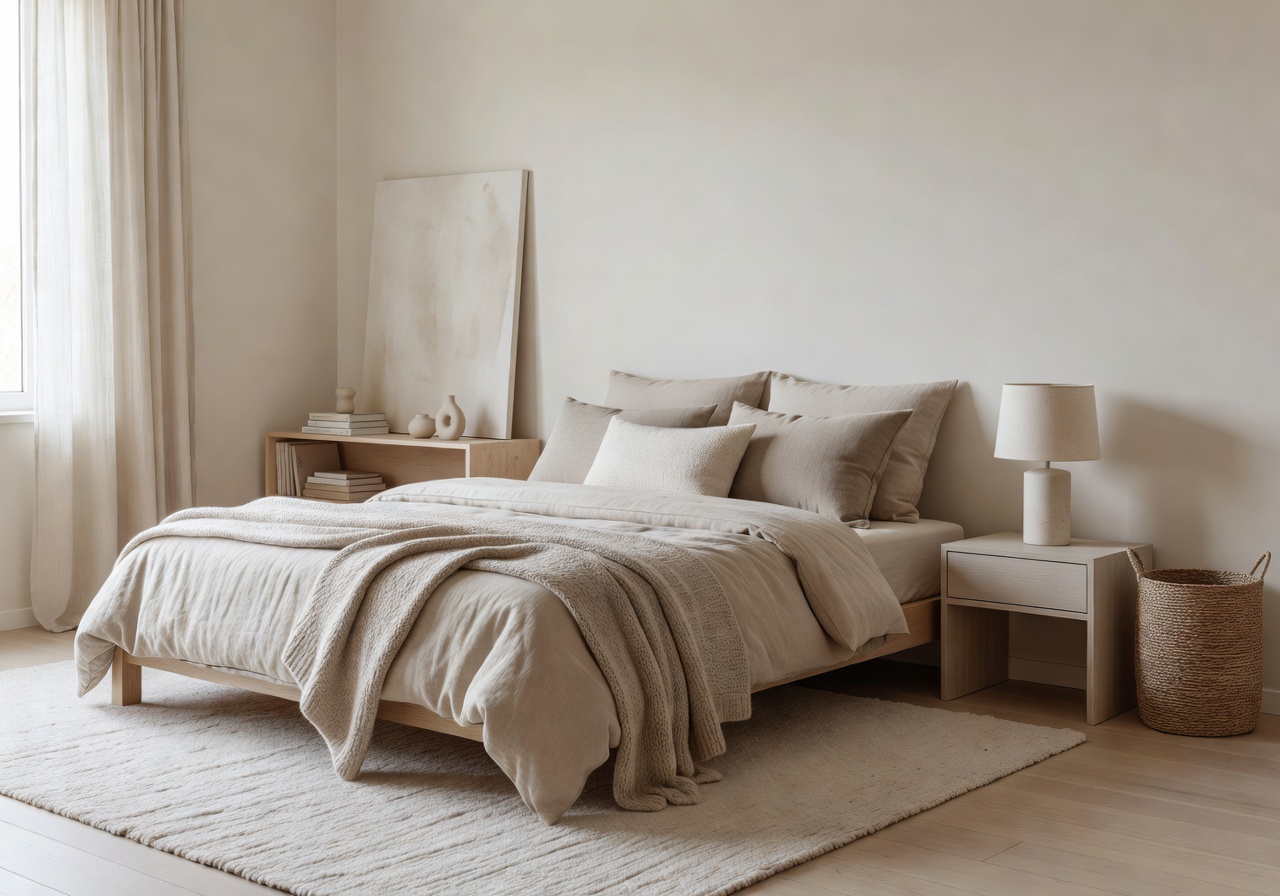
- Bedroom — keep what helps you sleep, dress, and rest
- Kitchen — keep what you've used in the last six months
- Closet — keep what you'd buy again today, at full price
- Bathroom — keep what's not expired and you actually use
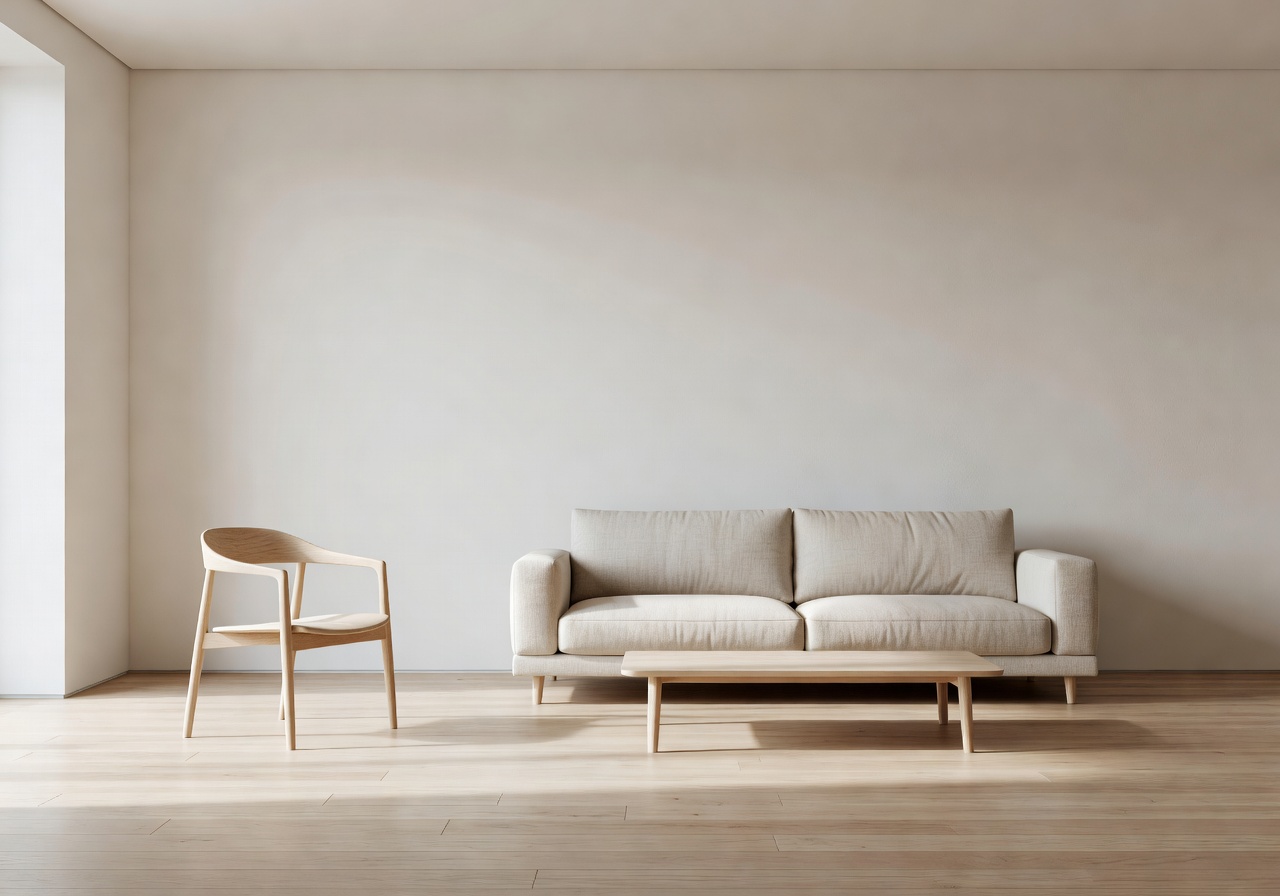
- Living room — keep what serves comfort or conversation
The Mindset Shift
Stop measuring possessions by what they cost. Measure by what they cost you — to store, dust, replace, organize. A "free" item that takes up shelf space and mental energy isn't free. A $400 chair you sit in every day is.
What To Keep
The five-item test: would you replace it if it broke? Would you take it across the world? Have you used it in the last year? Does it bring beauty or function? Do you love it? Yes to at least three — it stays.
Living With Less
You won't miss most of what you let go of. You'll have more space, less decision fatigue, and a home that feels like an exhale. Minimalism done well doesn't feel like deprivation — it feels like permission.